

Diabetes, Blood Sugar Control & Weight Management
Insulin resistance is your cells responding less well to insulin, so your body makes more of it — and high circulating insulin makes fat very difficult to release. That is why eating less and moving more can stop working. We find which drivers are yours: food, yes, but also stress hormones, sleep, muscle mass and thyroid.
The first conversation is always free — 15 minutes, no obligation, and we will tell you honestly if we are not the right people for it.

You might recognise some of this
- An energy crash mid-afternoon that you plan your day around
- Hunger again ninety minutes after a decent meal
- Cravings in the evening that feel chemical rather than emotional
- Weight that will not move despite doing everything you were told
- Waking between 2am and 4am, wide awake
- Bloods described as “borderline” with no plan attached
- Weight regained quickly after coming off a GLP-1 medication
Why is it not just about the food?
Because insulin is not the only hormone in the room. Cortisol — your main stress hormone — raises blood glucose directly, which is exactly what it is supposed to do when you need to run. When it is elevated all day because of work, poor sleep, over-training or chronic worry, you get the same glucose rise with no physical demand behind it, and insulin comes up to deal with it.
Which is why someone can eat a genuinely good diet and still have blood sugar going the wrong way. It is also why plans that only address food so often stall at the same point, and why the person who is doing everything right feels like they are failing at something straightforward. It isn't straightforward.
The other drivers we look at
Muscle mass, first — muscle is the largest place glucose can go, and there is a limit to how well anyone can manage blood sugar with very little of it. Sleep, because a few short nights measurably worsens insulin sensitivity on their own. Thyroid function, which sets the metabolic floor everything else stands on.
Then the gut. The microbiome is directly involved in how you handle carbohydrate and in your own natural GLP-1 signalling — the same pathway the injectable medications work on. Supporting it is one of the more useful levers available, and one of the least discussed.
Can you help while I am on a GLP-1 medication?
Yes, and this is a growing part of what we do. The medication handles appetite. It does not handle whether you get enough protein to hold onto muscle, whether your micronutrient intake survives eating far less, whether your digestion copes, or what happens when you stop.
Losing weight while losing significant muscle sets you up badly for afterwards, because you come off the drug with a lower metabolic rate and the same environment that got you there. The work is to protect muscle and nutrient status on the way down, and to have real metabolic changes in place before the medication stops rather than after the weight has returned.
What changes first
Usually the shape of meals rather than the contents — protein at breakfast, the order food is eaten in, what happens after eating, and closing the long evening grazing window. Those tend to move symptoms within a fortnight, which matters, because a plan you can feel working is a plan you keep doing.
Then we go after the underlying picture: sleep and stress load, muscle, gut health, and targeted supplementation where testing shows a genuine gap. Where it is useful we look at continuous glucose data, because seeing your own response to your own meals is more persuasive than any advice we could give you.
What working with us looks like
- A full history of your energy, hunger, sleep and stress across a normal day
- Review of existing bloods — HbA1c, fasting glucose and insulin where available
- Functional testing for hormones, thyroid or gut health where it will change the plan
- Meal structure you can hold on a working week, not a two-week regime
- Support on and coming off GLP-1 medication, with muscle and nutrient protection built in
- Targeted supplementation based on measured need
Not sure if this is the right starting point?
That is exactly what the free call is for. Fifteen minutes, no cost and no obligation — we will work out whether diabetes, blood sugar control & weight management is where you should start, or whether something else fits better.
Common concerns we work with here
- insulin resistance
- pre-diabetes and type 2 diabetes
- afternoon energy crashes
- cravings you cannot talk yourself out of
- weight that will not shift on a calorie deficit
- stress-driven eating
- weight regain after GLP-1 medication
- PCOS-related blood sugar problems
Diabetes, Blood Sugar Control & Weight Management — your questions
Can type 2 diabetes be reversed with nutrition?
Many people achieve substantial improvement in blood sugar control and some reach remission, but it depends on how long it has been established and on your individual picture — and it must be done alongside your GP or diabetes team, particularly if you take medication that would need adjusting as things improve.
I am already eating well and still not losing weight. What now?
That is one of the most common reasons people come to us, and it usually means the driver is not on the plate. Stress hormones, sleep, thyroid, muscle mass and gut health are the usual candidates, and testing tells us which of them is yours rather than guessing.
Do I need a continuous glucose monitor?
No, but it can be genuinely useful. Seeing how your body responds to your actual meals is far more informative than general guidance, and it usually shortens the process considerably.
What if I want to come off a GLP-1 medication?
Start the nutrition work before you stop, not after. The aim is to have muscle, meal structure and gut support already in place while the medication is still helping with appetite, so there is something holding when it comes away.
Further reading
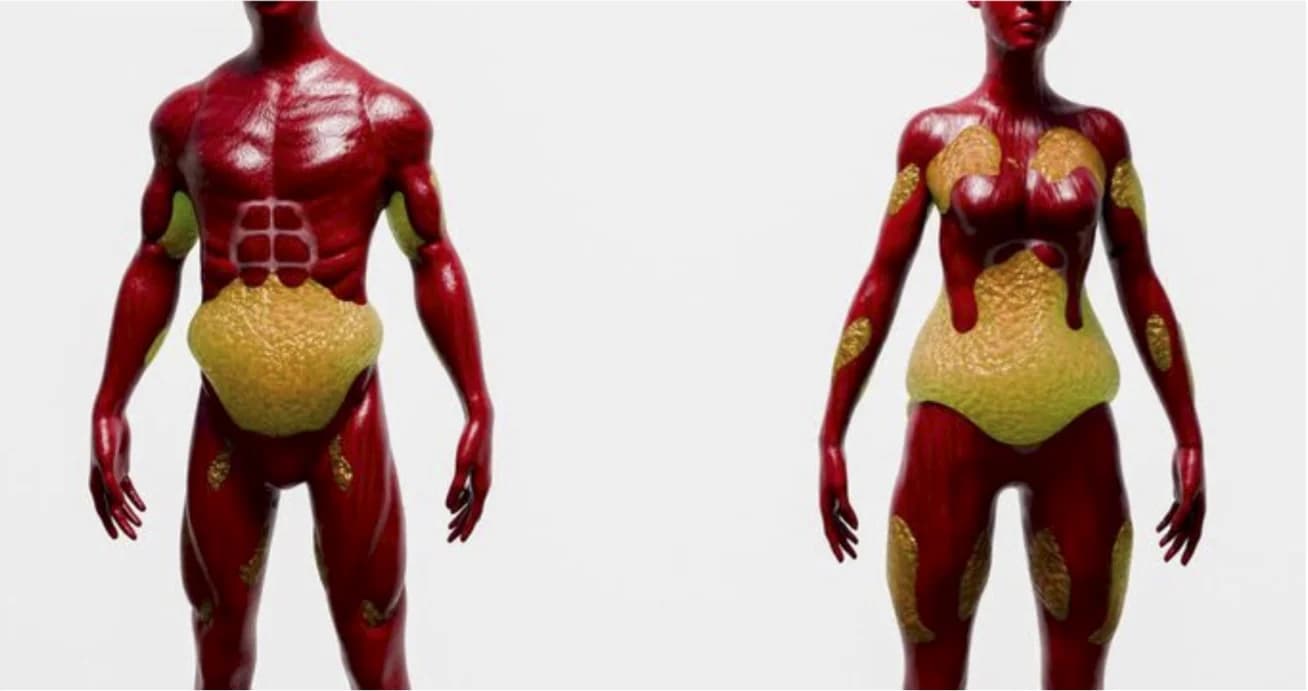
Insulin Resistance: What It Is, Why It Goes Undetected & How to Reverse It
Insulin resistance can develop silently for 10–15 years before standard blood tests catch it. This guide covers the root causes, key blood markers to watch, and evidence-based strategies — from food order to fibre and polyphenols — to restore metabolic health naturally.
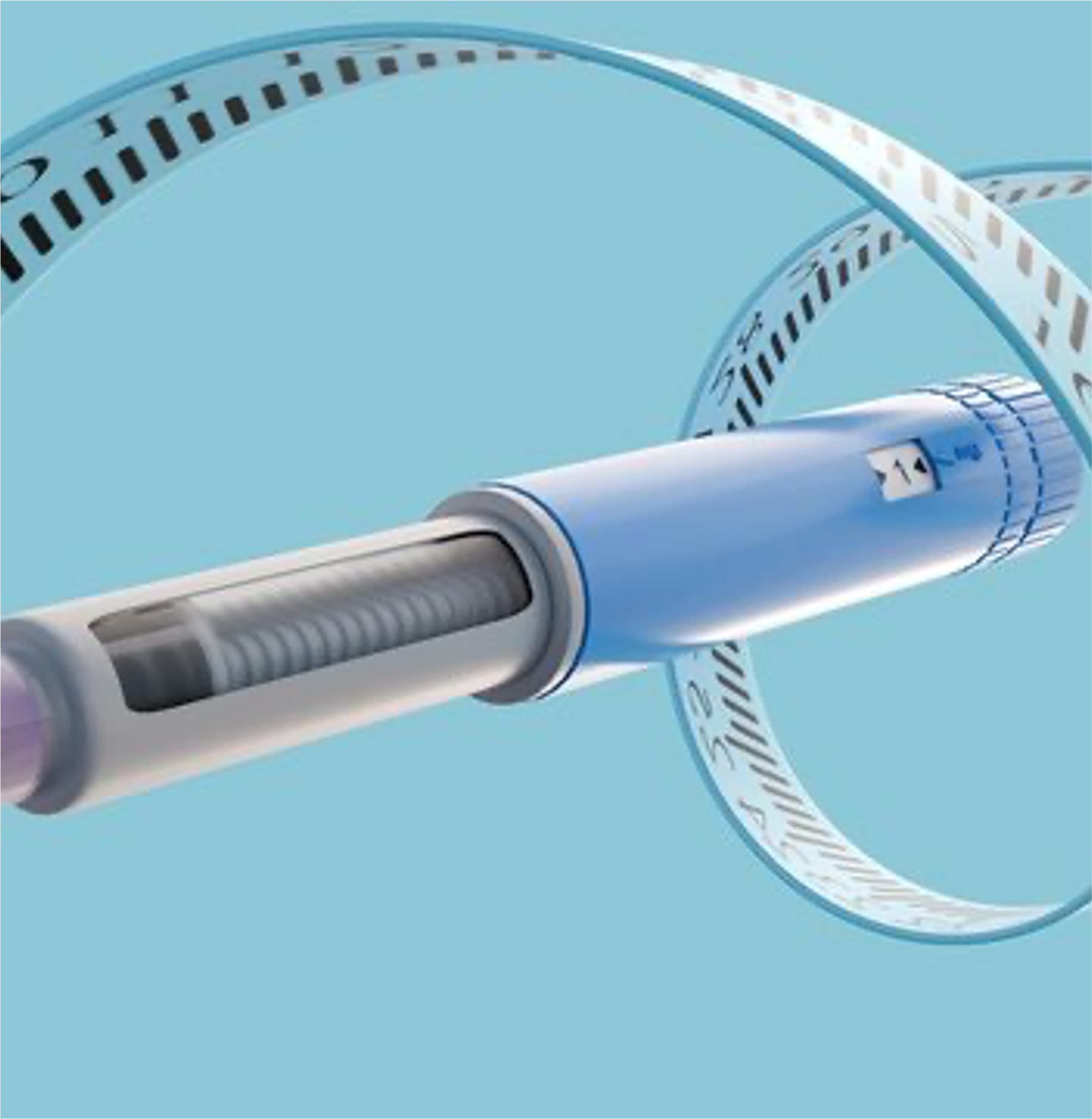
What Exactly Is a GLP-1? And Why Is Everyone Talking About It?
GLP-1 injections are everywhere right now. But what actually is a GLP-1, why are so many people not producing enough of their own, and can your body be supported to make more naturally? Niki explores the gut health story behind the headlines.

Wired but Tired? A Naturopath's Full-Day Energy & Blood Sugar Reset
Straight from one of Niki's live workshops: a full day the naturopathic way. How morning light, meal order, magnesium and gut health work together to lift your energy, steady your blood sugar and calm cravings — plus the products she reaches for.
You might also be looking for
- Hormone BalanceCycle, thyroid, stress and energy — working out which hormones are actually driving your symptoms
- Functional TestingOrder tests through us as your practitioner, so someone reads and explains the results properly
- Perimenopause & MenopauseSupport through the transition — symptoms, bone and heart health, and what to eat when everything changes
Or see all our nutrition services.
Last updated: 8 September 2026. Written by Niki Charnock, Naturopathic Nutritionist (CNM/ANP registered) and Injury Specialist. We advise on nutrition and lifestyle — we do not diagnose, and nothing here replaces care from your GP or specialist.