

Hormone Balance
Hormones rarely go wrong in isolation. Thyroid, cortisol, insulin and sex hormones all talk to each other, so the symptom you notice — the fatigue, the mood swings, the weight that will not shift, the periods that have changed — is usually downstream of something else. Our job is to find which one is actually driving it.
The first conversation is always free — 15 minutes, no obligation, and we will tell you honestly if we are not the right people for it.

You might recognise some of this
- Periods that have changed — heavier, lighter, closer together, or unpredictable
- Two good weeks a month and two you would rather not talk about
- Fatigue that sleep does not fix
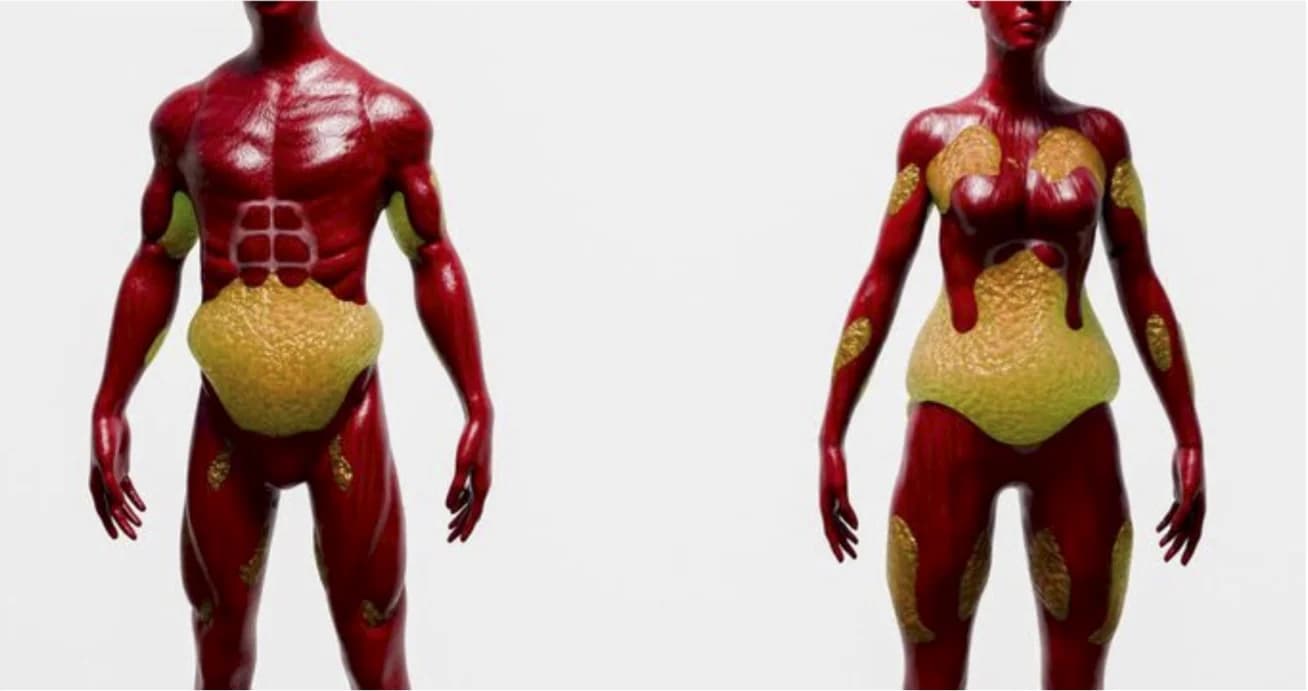
- Weight that has settled around your middle and will not move
- Hair thinning, brittle nails, skin that has changed
- Low libido you have quietly stopped mentioning
- Thyroid symptoms with thyroid bloods described as normal
Why treating one hormone in isolation rarely works
The endocrine system is a network, not a set of independent dials. Cortisol and progesterone are made from shared raw materials, so a sustained stress load can reduce progesterone. Insulin drives ovarian androgen production, which is central to how PCOS behaves. Thyroid hormone sets the metabolic rate that every other hormone operates against, and it depends on iron, selenium, iodine and zinc being adequate.
This is why supplementing for one symptom so often disappoints. If low progesterone is a consequence of a stress load nobody has addressed, supporting progesterone alone is working against something that is still being generated. The useful question is not which hormone is out, but why.
Where we start: mapping before testing
We map your symptoms against your cycle first. When something happens is frequently more diagnostic than that it happens — symptoms clustered in the second half of the cycle point somewhere quite different from symptoms that arrive with bleeding, or symptoms that ignore the cycle entirely.
Alongside that we take your sleep, your stress load, your blood sugar pattern through the day, your training, and your history of contraception and pregnancies. Very often that mapping alone tells us where the problem sits, and the testing that follows is confirming a hypothesis rather than going fishing.
What testing do you use?
Cycle-timed blood panels where the question is straightforward. Full thyroid panels — not just TSH, but free T4, free T3, reverse T3 and antibodies, since a normal TSH is regularly the reason someone has been told there is nothing wrong when their thyroid is a real part of the picture.
Where the question is how you are producing and clearing hormones, a comprehensive dried urine hormone panel gives us metabolites as well as levels, which matters a great deal for oestrogen. We test where it will change the plan, and we say so when it will not.
What actually changes things
Blood sugar stability first, almost every time. It is the fastest lever available and it underpins cortisol, which underpins everything else. Then the raw materials: adequate protein, sufficient fat, and the minerals thyroid and steroid hormone production actually require.
Then clearance. Oestrogen has to be metabolised by the liver and removed via the gut, so constipation and a struggling liver keep it circulating no matter how good the rest of the plan is. Then sleep, training load and recovery, because plenty of hormone problems are really recovery problems wearing a different hat.
What working with us looks like
- Symptom-to-cycle mapping so we know what we are actually looking at
- Review of any hormone or thyroid results you already have
- Functional hormone testing where it will change the plan
- A food-first plan built around blood sugar, protein and the minerals hormone production needs
- Gut and liver support so oestrogen is cleared as well as produced
- Targeted supplementation based on measured need, working alongside any medication or HRT
Not sure if this is the right starting point?
That is exactly what the free call is for. Fifteen minutes, no cost and no obligation — we will work out whether hormone balance is where you should start, or whether something else fits better.
Common concerns we work with here
- irregular or painful periods
- PMS and mood swings
- PCOS
- thyroid symptoms
- low energy
- stubborn weight
- low libido
- hair and skin changes
Hormone Balance — your questions
My thyroid bloods are normal but I have every symptom. Can you help?
Often, yes. GP testing usually starts and ends with TSH, which can sit in range while free T3 is low or antibodies are elevated. A full panel tells a much more complete story, and if it points to something needing medical management we will tell you to take it back to your GP.
Can you help with PCOS?
Yes. PCOS is strongly linked to insulin resistance in most (not all) cases, so blood sugar and insulin work is usually where the biggest gains are, alongside supporting the cycle and addressing the specific symptoms bothering you most.
I am on hormonal contraception. Is there any point?
There is plenty to work on — energy, mood, gut health, nutrient status and blood sugar are all still in play. Cycle-based hormone testing will not be meaningful while you are on it, so we work with what is measurable and plan the rest around your intentions.
How long before I notice a difference?
Blood sugar and energy changes often show within two to three weeks. Cycle-related change realistically takes three months, because that is roughly how long the developing follicle takes — anyone promising faster is selling something.
Further reading
Insulin Resistance: What It Is, Why It Goes Undetected & How to Reverse It
Insulin resistance can develop silently for 10–15 years before standard blood tests catch it. This guide covers the root causes, key blood markers to watch, and evidence-based strategies — from food order to fibre and polyphenols — to restore metabolic health naturally.

When Is the Best Time to Take a Blood Test?
Morning, fasted, hydrated, four days off alcohol and 48 hours off hard training — and for women, day 21 of your cycle. A practitioner's guide to timing your blood test so the numbers reflect your health, not the day you had it done.

Wired but Tired? A Naturopath's Full-Day Energy & Blood Sugar Reset
Straight from one of Niki's live workshops: a full day the naturopathic way. How morning light, meal order, magnesium and gut health work together to lift your energy, steady your blood sugar and calm cravings — plus the products she reaches for.

Tips for dealing with anxiety
Never before have we had to face such uncertainty and make such drastic changes to our everyday lives
You might also be looking for
- Perimenopause & MenopauseSupport through the transition — symptoms, bone and heart health, and what to eat when everything changes
- Fertility & PregnancyPreconception, fertility and pregnancy nutrition — for both partners, not just one
- Functional TestingOrder tests through us as your practitioner, so someone reads and explains the results properly
Or see all our nutrition services.
Last updated: 8 September 2026. Written by Niki Charnock, Naturopathic Nutritionist (CNM/ANP registered) and Injury Specialist. We advise on nutrition and lifestyle — we do not diagnose, and nothing here replaces care from your GP or specialist.