

Perimenopause & Menopause
Perimenopause is the years of fluctuating hormones before periods stop, and it often begins long before anyone names it. Nutrition will not stop the transition, but it changes how you travel through it — and it is the main lever you have over the bone, muscle and heart health that this stage quietly determines.
The first conversation is always free — 15 minutes, no obligation, and we will tell you honestly if we are not the right people for it.

You might recognise some of this
- Waking at 3am, hot, with your mind already going
- Anxiety that arrived from nowhere and does not match your life
- Brain fog and losing words mid-sentence
- Weight settling around your middle on the same food as always
- Joints that ache in the morning
- A shorter fuse than you recognise in yourself
- Periods that have become unpredictable, heavy, or both
Why does the same food suddenly behave differently?
Because oestrogen is not only a reproductive hormone. It influences insulin sensitivity, where fat is stored, how you build and hold muscle, bone turnover, and how blood vessels behave. As it becomes erratic and then falls, all of those shift at once — so an unchanged diet can produce a changed body without you doing anything differently.
The practical consequence is that midlife weight gain is a metabolic change rather than a failure of willpower, and it does not respond well to the tactic most people reach for. Eating considerably less while losing muscle makes the underlying problem worse, not better.
Protein and muscle: the part that gets skipped
Muscle is the most valuable asset in this decade and the easiest to lose. It is where glucose goes, it is what keeps your metabolic rate up, it is what protects your joints, and it is the strongest signal available for maintaining bone density. Losing it quietly through your forties and fifties is what makes the seventies difficult.
So protein requirements go up at exactly the point most people are eating less, and resistance training stops being optional. This is the single change we most often make, and it is usually the one with the largest effect on how someone feels a few months later.
Bone and heart health — the long game
Bone loss accelerates around the menopause transition, and cardiovascular risk rises as oestrogen’s protective effect goes. Neither announces itself. Both are substantially influenced by what happens in this decade, which is why we treat them as part of the plan even when they are not what brought you in.
That means adequate protein and calcium, vitamin D and vitamin K2 status checked rather than assumed, magnesium, loaded movement for bone, and attention to lipids, blood pressure and blood sugar. This is unglamorous work that pays out twenty years later.
Does this work alongside HRT?
Yes. HRT is a medical decision between you and your GP or menopause specialist, and we do not advise for or against it. Where you are taking it, nutrition works alongside it — HRT does not remove the need for protein, muscle, blood sugar stability, or a liver and gut that can clear hormones properly.
Where HRT is not right for you, or not available to you, nutrition and lifestyle carry more of the load and the plan is built accordingly. That is a common reason people come to us, and it is entirely workable.
What working with us looks like
- A symptom picture across sleep, mood, cycle, energy and body composition
- Protein, muscle and resistance-training planning made specific to you
- Blood sugar stability work, which underpins sleep, mood and midlife weight
- Gut and liver support so oestrogen is cleared properly
- Testing where useful — thyroid, iron, vitamin D, lipids and metabolic markers
- A plan that works alongside HRT, or without it
Not sure if this is the right starting point?
That is exactly what the free call is for. Fifteen minutes, no cost and no obligation — we will work out whether perimenopause & menopause is where you should start, or whether something else fits better.
Common concerns we work with here
- hot flushes and night sweats
- broken sleep
- anxiety and low mood
- brain fog
- joint aches
- midlife weight change
- bone density concerns
- loss of muscle
Perimenopause & Menopause — your questions
How do I know if I am in perimenopause?
Usually by the pattern rather than a test. Blood hormone levels fluctuate so much during perimenopause that a single reading tells you very little, which is why symptom mapping over time is more useful than a one-off panel.
Will nutrition stop my hot flushes?
It can reduce frequency and intensity for many people — blood sugar stability, alcohol, caffeine and blood pressure all feed into it — but we would be overpromising if we said it eliminates them. Some people need HRT for that, and that is a conversation for your GP.
Should I be taking soy or phytoestrogens?
It depends on you, including your gut microbiome, which determines how much benefit you get from them at all. This is exactly the kind of question where a blanket answer is worse than a personal one.
I am in my late thirties. Is it too early?
No. Perimenopause commonly starts earlier than people expect, and going into it with good muscle mass, stable blood sugar and solid nutrient status is by far the best preparation available.
Further reading
Wired but Tired? A Naturopath's Full-Day Energy & Blood Sugar Reset
Straight from one of Niki's live workshops: a full day the naturopathic way. How morning light, meal order, magnesium and gut health work together to lift your energy, steady your blood sugar and calm cravings — plus the products she reaches for.
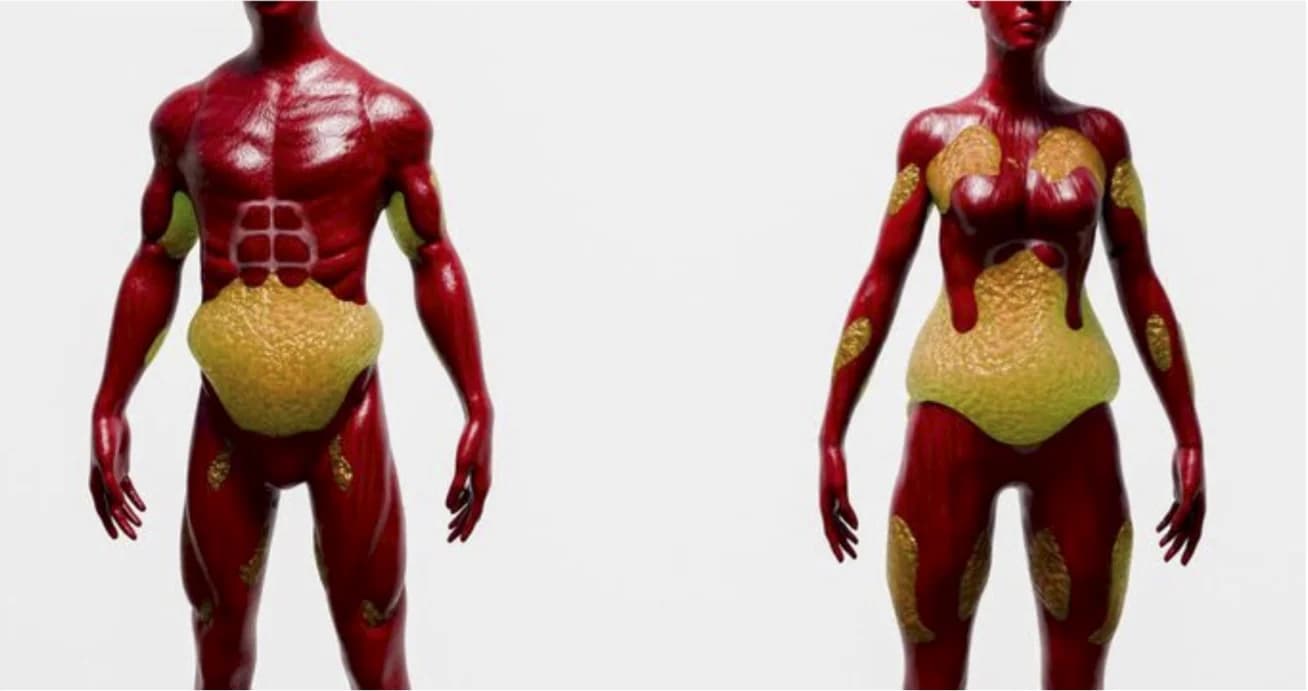
Insulin Resistance: What It Is, Why It Goes Undetected & How to Reverse It
Insulin resistance can develop silently for 10–15 years before standard blood tests catch it. This guide covers the root causes, key blood markers to watch, and evidence-based strategies — from food order to fibre and polyphenols — to restore metabolic health naturally.

Lemon Balm: Nature's Powerful Herb for Mind, Body, and Skin
Lemon balm (Melissa officinalis) is a fragrant herb from the mint family, known for its antioxidant properties and calming effects on the body. Often used as a mild sedative and antispasmodic, lemon balm supports skin health, digestive balance, and emotional wellbeing. Whether you grow it at home or use it as a supplement, lemon balm offers a wide range of health-supporting benefits.

Tips for dealing with anxiety
Never before have we had to face such uncertainty and make such drastic changes to our everyday lives
You might also be looking for
- Hormone BalanceCycle, thyroid, stress and energy — working out which hormones are actually driving your symptoms
- Diabetes, Blood Sugar Control & Weight ManagementWork out which triggers are actually driving your insulin, your stress hormones and your weight
- Anti-Ageing & LongevityNext-level protocols for people who want to stay well, not just avoid being ill
Or see all our nutrition services.
Last updated: 8 September 2026. Written by Niki Charnock, Naturopathic Nutritionist (CNM/ANP registered) and Injury Specialist. We advise on nutrition and lifestyle — we do not diagnose, and nothing here replaces care from your GP or specialist.