

Functional Testing
Functional testing is laboratory testing that measures how your body is working, not only whether you meet the threshold for a diagnosis. Many tests are practitioner-order only — so we order them for you through partner labs, and, more importantly, we read the results and tell you what they mean for you.
The first conversation is always free — 15 minutes, no obligation, and we will tell you honestly if we are not the right people for it.
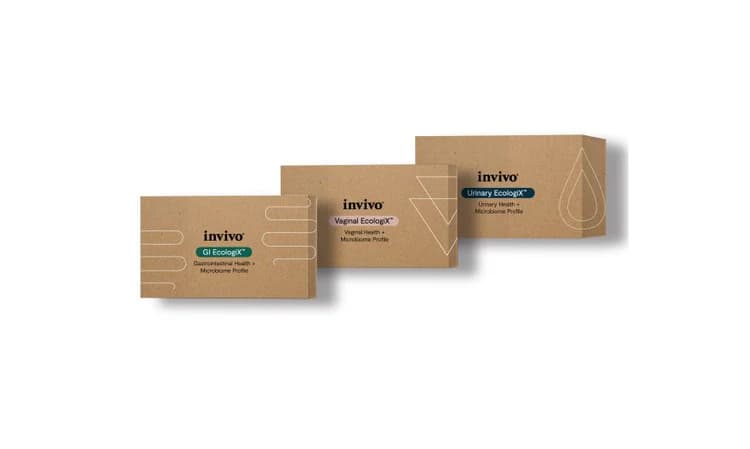
Functional testing is worth it when
- Your GP bloods are normal and you still feel unwell
- You have symptoms across several systems that nobody has joined up
- You are about to spend money on supplements and are guessing
- You have a family history you want a baseline for
- You already have results and no one has explained them
- You want to know whether a plan is working, not assume it
How is this different from the bloods my GP runs?
NHS testing is built to answer a diagnostic question: is there disease here that needs treating. It does that job well and it is not trying to do this one. Reference ranges are set wide enough to catch pathology, so it is entirely possible to sit inside a normal range, be told everything is fine, and still be a long way from well.
Functional testing asks a different question — how is this system actually performing — and uses narrower optimal ranges, wider panels and markers the NHS does not routinely run. It complements GP testing rather than replacing it, and where a result needs medical attention we will tell you to take it to your GP.
Which tests do you arrange?
Comprehensive blood panels covering thyroid, iron studies, B12 and folate, vitamin D, inflammatory markers, full lipids and metabolic markers including HbA1c and fasting insulin. Stool analysis for gut health — microbiome balance, digestive function, inflammatory markers, and pathogens such as H. pylori and parasites.
Hormone panels including cycle-mapped female hormones, adrenal and cortisol patterns, and male hormone panels. Methylation profiles where detoxification capacity is in question. Hair tissue mineral analysis for heavy metal exposure and mineral status. Allergy and food reaction testing where symptoms genuinely warrant it.
Why does it matter who orders the test?
Two reasons. The practical one is access — a good many of these panels are only released to registered practitioners, so a direct-to-consumer version is often a reduced panel with less clinical value. The more important one is that a functional test result is not self-explanatory.
A raw report is pages of markers with coloured bars. Turning that into “this is what is happening, this is what is causing it, and these three things are what we do about it” is the actual work. We have seen people spend a great deal of money on testing, get a PDF, and be no further forward than before. That is the failure mode this service exists to avoid.
Can you interpret results I already have?
Yes, and it is often the sensible first move. Bring anything you have — GP bloods, a previous practitioner’s panels, a home kit you bought, results from years ago that nobody discussed with you. Old results are useful too, because a trend over time says more than any single snapshot.
Quite often that review means you need less testing than you expected, not more. If what you already hold answers the question, we would rather spend your budget on the plan than on repeating a test you have already paid for.
What do functional tests cost?
Most people spend between £89 and £420 on testing, and some spend nothing at all beyond a GP panel we help them ask for. The figures below are the tests we order most often, and they are the laboratory’s fees — we do not add to them, and you pay the lab, not us.
You get the exact cost of anything before it is ordered, and if we do not think a test will change what we do for you, we will say so rather than sell it to you.
| Test | What it answers | Cost | Results |
|---|---|---|---|
| GP blood panel | The baseline — thyroid, iron, B12, folate, vitamin D, HbA1c, lipids and inflammatory markers | Free | Set by your surgery |
| Private blood panel (37 markers) | The same ground where there are no recent bloods, or where your picture has changed and you cannot wait | From £89 | 1–2 weeks |
| H. pylori home screen | Whether a stomach bacterium is behind low stomach acid symptoms, before committing to anything bigger | Under £5 | Minutes, at home |
| Stool and microbiome analysis | What is actually living in your gut — bacterial diversity, digestive function and inflammation | £320 | 2–3 weeks |
| Comprehensive stool analysis | All of the above plus a full pathogen screen — fungi, viruses and parasites. The one we recommend where budget allows | £420 | 2–3 weeks |
Hormone panels, methylation profiles, hair tissue mineral analysis and allergy testing are quoted individually, because the right panel depends on what we are trying to answer. Ask on the free call and we will give you the figure before you commit to anything.
Laboratory prices last checked . They are set by the laboratory at the point of purchase and can change.
How it works
- A call to work out which test, if any, will actually change what we do
- The test ordered through our practitioner accounts with partner laboratories
- The kit posted to you, with clear instructions on timing and collection
- A full interpretation session, in plain English, with a written summary
- A prioritised plan built on what the results actually show
- A retest point where it is worth measuring the change
Not sure if this is the right starting point?
That is exactly what the free call is for. Fifteen minutes, no cost and no obligation — we will work out whether functional testing is where you should start, or whether something else fits better.
Common concerns we work with here
- symptoms with normal GP bloods
- gut and digestive investigation
- hormone panels
- heavy metal and mineral status
- methylation and detox capacity
- food and allergy reactions
- results you already have and cannot interpret
Functional Testing — your questions
How much do functional tests cost?
Most people spend between £89 and £420. A private 37-marker blood panel starts at around £89, a stool and microbiome analysis is £320, and £420 buys the comprehensive version that adds a fungal, viral and parasite screen. An H. pylori home screen is under £5, and the GP panel we help you ask for is free. These are the laboratory’s fees, paid to the laboratory — we do not add to them. You get the exact cost before anything is ordered, and we will tell you honestly if we do not think a test is worth running for you.
How long do results take?
Most panels return within one to three weeks depending on the laboratory and the test. Stool and hormone panels typically sit at the longer end of that; standard blood panels are usually quicker.
When is the best time to take a blood test?
It genuinely matters — timing affects several markers, and hormone panels in particular need to be mapped to your cycle. We cover this properly in our blog on blood test timing, and we will tell you exactly when to run yours before the kit arrives.
Will my GP accept these results?
Some will and some will not, and that is worth knowing in advance. These are accredited laboratory tests, but they are not part of the NHS pathway. Where something needs medical follow-up we will say so clearly and give you a summary to take with you.
Further reading
Blood, Sweat, and Science
As a lot of you know I’m always signed up to one course or another to better understand my clients functional test results

When Is the Best Time to Take a Blood Test?
Morning, fasted, hydrated, four days off alcohol and 48 hours off hard training — and for women, day 21 of your cycle. A practitioner's guide to timing your blood test so the numbers reflect your health, not the day you had it done.

H. Pylori: The Silent Stomach Invader
H. Pylori is a bacterium that takes up residence in your stomach lining, often without raising any immediate red flags. This microscopic intruder can quietly inhabit your digestive system for years, potentially causing significant health complications that may go unnoticed.

Unlock Your Body's Hidden Potential: The Ultimate Heavy Metal Detox Experience.
Heavy metal and parasite cleanses seem to be ‘all the rage’ on social media at the moment. From feeding parasites to being the root causes to brain fog, anxiety, depression, increased menopausal symptoms, weight gain and chronic inflammation to name but a few issues being highlighted.
You might also be looking for
- Proactive HealthGenetic history, functional test results and lifestyle reviewed together to get ahead of what runs in your family
- Hormone BalanceCycle, thyroid, stress and energy — working out which hormones are actually driving your symptoms
- Diabetes, Blood Sugar Control & Weight ManagementWork out which triggers are actually driving your insulin, your stress hormones and your weight
Or see all our nutrition services.
Last updated: 8 September 2026. Written by Niki Charnock, Naturopathic Nutritionist (CNM/ANP registered) and Injury Specialist. We advise on nutrition and lifestyle — we do not diagnose, and nothing here replaces care from your GP or specialist.