
What Exactly Is a GLP-1? And Why Is Everyone Talking About It?
If you've spent any time on social media recently, you've probably heard people talking about GLP-1 injections and dramatic weight loss stories. But what actually is a GLP-1? Why are so many people struggling with low energy, cravings, poor sleep, hormone imbalance and stubborn weight gain in the first place? And most importantly — can your body make more of this powerful hormone naturally?
As a practitioner working with clients every day struggling with insulin resistance, inflammation, poor sleep, hormonal imbalance and chronic disease, I believe this conversation needs to go far deeper than simply discussing injections. Because the real question is this: why is the body not making enough GLP-1 naturally to begin with?
So… What Exactly Is a GLP-1?
GLP-1 stands for Glucagon-Like Peptide-1 — a hormone naturally produced in the gut wall lining, particularly within the lower small intestine and colon. Think of GLP-1 as one of the body's metabolic messengers. It helps coordinate hunger, blood sugar balance, insulin sensitivity and energy regulation.
When functioning well, GLP-1 can help:
- Reduce appetite and food cravings and promote weight loss.
- Help you feel fuller for longer.
- Support healthy blood sugar levels.
- Improve insulin sensitivity and help manage Type 2 diabetes.
- Slow rapid blood sugar spikes after meals.
- Encourage healthier energy regulation.
No wonder people are excited about GLP-1 medications. On paper, they seem like the perfect answer: less hunger, better blood sugar control, easier weight loss, reduced cravings. For many people who have struggled for years, the results can feel life-changing. But there is another side to this conversation.
Why Was Your Body Struggling in the First Place?
If GLP-1 is naturally made within the gut wall, we have to ask: why are so many people no longer producing enough of their own? Why are we seeing an epidemic of insulin resistance and Type 2 Diabetes, weight gain, hormonal disruption, brain fog and low motivation, fertility challenges, chronic inflammation and pain, and poor sleep, anxiety and low mood?
In clinic, I see insulin resistance sitting quietly behind so many health struggles. And often, the answer starts in the gut.
Your Gut Wall Is More Important Than You Think
Most people think of the gut simply as a digestive tube. But the gut wall is one of the most metabolically active areas of the body. It plays a major role in producing and regulating hormones that influence mood and motivation, hunger and sugar cravings, sleep and energy, and blood sugar control and inflammation.
If the gut lining becomes inflamed, damaged or compromised, this may affect how effectively these signalling systems function. It also becomes less selective about what nutrients it can absorb and what toxins it should keep out. If you are nutrient deficient or have a high toxic load, this will also be affecting your weight loss journey, cravings, inflammation and pain, fatty liver, hormonal, skin or brain health. So it's never just a GLP-1 issue — it's a gut health issue.
This is why simply increasing GLP-1 artificially may only be one piece of a much bigger puzzle. For some people, GLP-1 medications can be a valuable stepping stone — particularly if they are using that time to improve diet, blood sugar balance and gut health naturally alongside these medications. But unless the underlying drivers are addressed, many people find old cravings, habits and symptoms return.
There is also an important consideration around body composition: when rapid weight loss occurs, 40% of the weight loss comes from lean muscle mass. As bone and muscle mass decrease, your metabolism slows down, making it harder to keep weight off long-term.
The Missing Piece? Fibre.
If I could shout one thing from the rooftops, it would be this: most people are dramatically under-eating fibre. And fibre matters far more than many people realise.
Fibre helps:
- Feed healthy gut bacteria.
- Improve bowel motility and regularity.
- Support gut wall integrity.
- Slow glucose absorption.
- Reduce insulin spikes.
- Support satiety and fullness.
- Promote healthier blood sugar balance.
When we eat fibre-rich foods, beneficial gut bacteria produce short-chain fatty acids that help support the gut lining — and these must be present for the gut membrane to produce hormones including GLP-1.
Understanding Insulin Resistance (In Simple Terms)
When we eat foods high in sugar or carbohydrates regularly with little or no fibre, blood glucose rises. The pancreas releases insulin, a hormone that helps move glucose into cells to be used as energy. But over time, when insulin is released too often, the cells can become less sensitive to it. This is called insulin resistance. At this point, glucose is not being allowed entry to the cells to provide the energy we need.
This results in:
- Higher blood sugar and higher insulin levels.
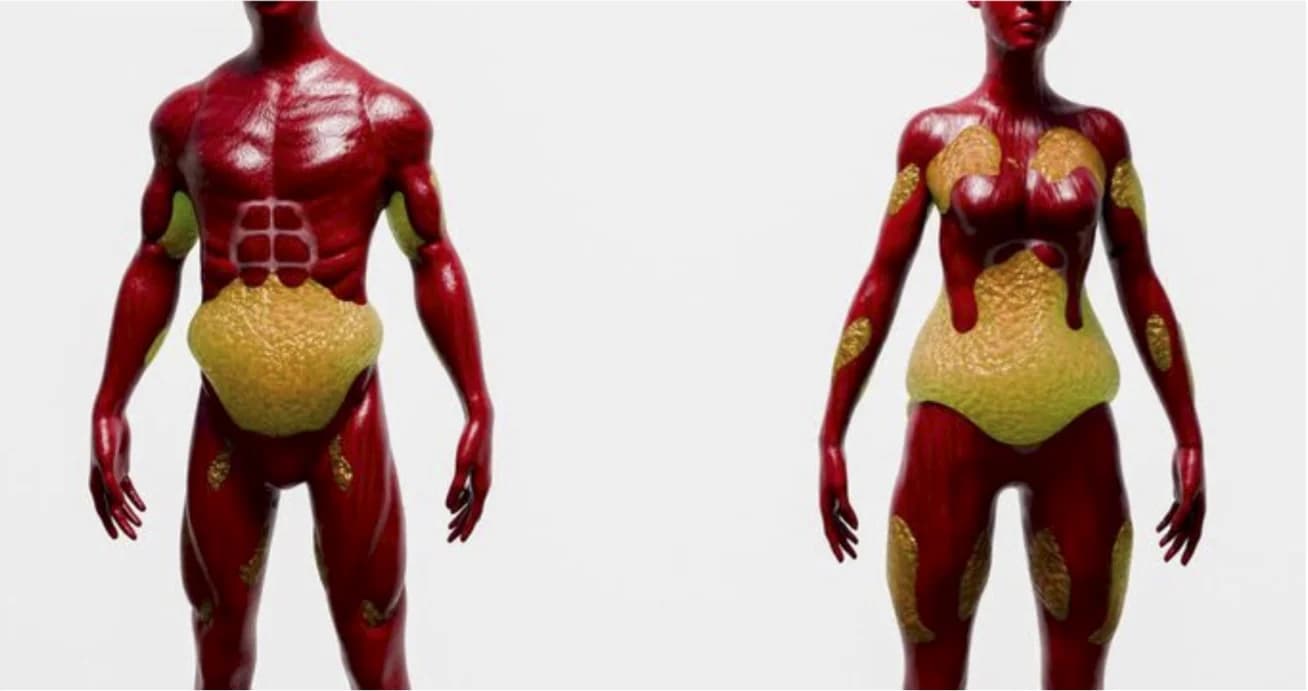
- Increased fat storage, particularly around the middle.
- More cravings and energy crashes after meals.
- Consistent fatigue, even when you have eaten.
- That wired but tired feeling — living on your adrenals because there's no energy in the cells.
- Brain fog, poor sleep and hormonal disruption.
Visceral fat — fat stored around the organs — is particularly inflammatory and is strongly linked to fatigue, joint pain, mood swings, PMS and menopause struggles, fertility issues, anxiety, depression, poor motivation and sleep disruption.
Why Sleep and Mood Matter Too
Your gut doesn't only influence hunger. It also influences feel-good chemistry. Healthy gut function supports the production of 90% of the neurotransmitters involved in motivation, mood and sleep.
Dopamine helps us feel motivated, energised and focused — and we are less likely to reach for food when we feel genuinely well. Serotonin plays an important role in emotional wellbeing and supports the production of melatonin, our sleep hormone. When sleep improves, insulin sensitivity improves too. This is why healing metabolism is rarely just about calories. It is about the whole system.
Blood sugar swings and stubborn weight usually have a root cause. Book a consultation to find yours.
Book Consultation →Two Nutritional Powerhouses for Supporting Natural GLP-1
If you want to naturally support gut health and metabolic balance, there are two nutritional areas I encourage people to focus on:
1. Fibre
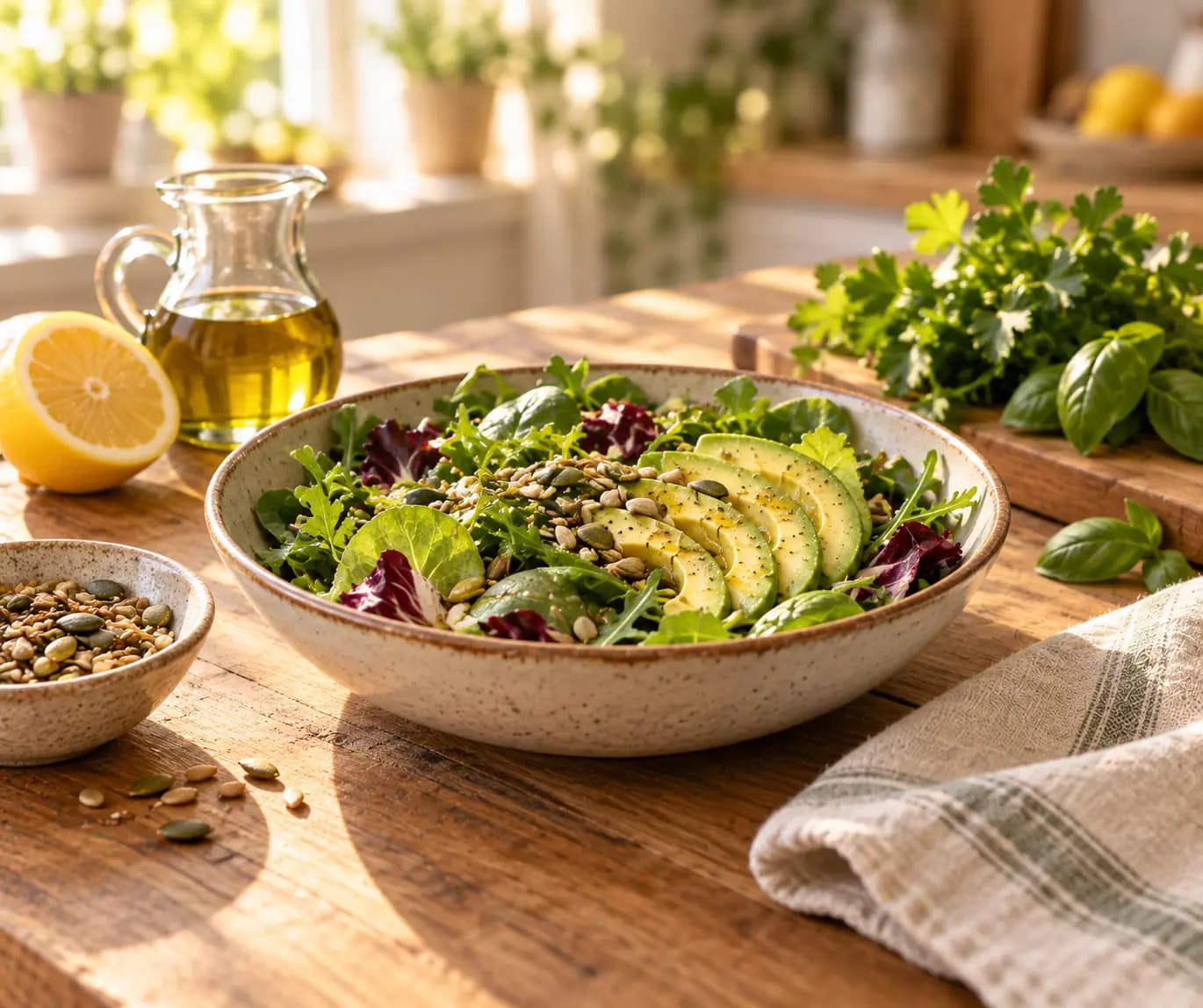
Aim to include fibre with every meal — salads, lightly cooked vegetables, nuts and seeds, puy lentils, black rice, and chia seeds are all excellent choices. Research suggests eating hard vegetables or salad before protein, fats and carbohydrates can significantly improve blood sugar responses. Always eat fibre first.
2. Polyphenols
Polyphenols are a powerhouse of nutrients that support gut bacteria and metabolic health. Great sources include blueberries, blackberries, raspberries, green matcha tea, yerba mate and dark chocolate. The presence of polyphenols in the gut helps increase GLP-1 production, feeds the healthy bacteria that protect the gut membrane, and can also help detoxify the brain — always a bonus.
GLP-1 Injections vs Natural GLP-1 Producers: A Comparison
GLP-1 Injections
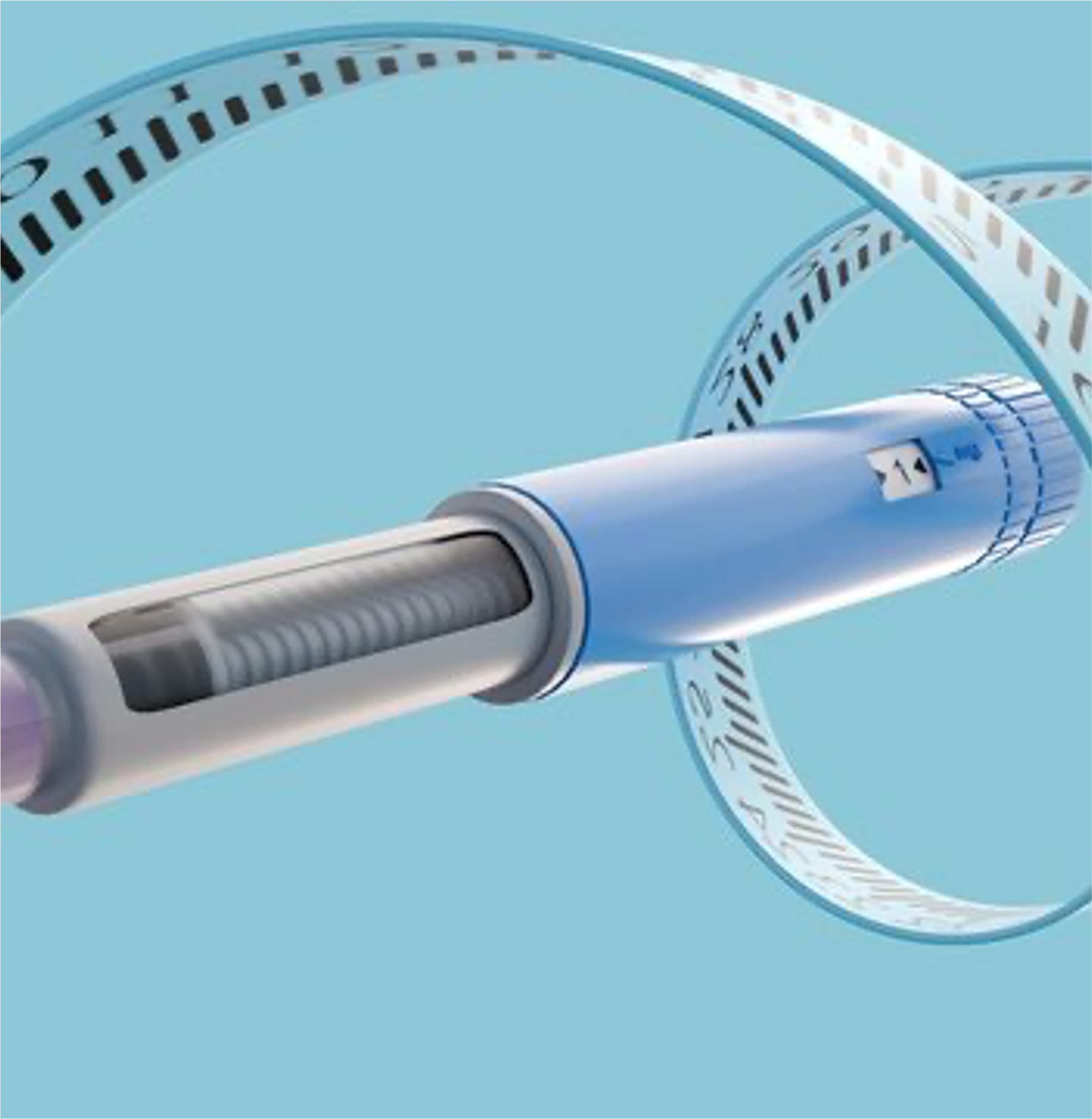
Pro: GLP-1 increases immediately by 30%, providing a quick result in a once-a-week convenient injection. Con: receptor sites become desensitised over time, requiring ever-increasing dosages to maintain the same effect. Secondary effects can include constipation, reflux (as digestive juices are reduced), nausea, and gallbladder issues. Gallbladder removals appear to be becoming more prevalent since GLP-1 injections became widely available, potentially due to reduced digestive enzymes and sluggish bile flow.
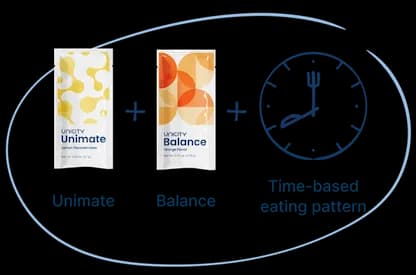
Natural GLP-1 Producing Supplements
Con: it takes time — the gut needs to heal and rebalance first. Pro: with consistent use over three months, GLP-1 levels can increase by at least 60% — twice what injections achieve. There is also an immediate 40% reduction in insulin spikes at every meal. These supplements don't trigger acid reflux and actively help the liver and gallbladder, reducing cholesterol naturally through improved bile flow.
The Future of Weight Loss Is Gut Health
In my opinion, the future of sustainable weight loss and metabolic health isn't simply about suppressing appetite. It's about repairing and maintaining the gut wall, improving insulin sensitivity, balancing blood sugar and helping the body function the way it was designed to.
When your metabolism improves naturally, you often notice far more than changes in weight. Better sleep, sustained moods, increased energy, fewer cravings, more mental focus, better hormonal balance and less pain or water retention all tend to follow.
If you're at the point where you want to make change but feel overwhelmed by where to start, I am offering a free 15-minute discovery consultation to discuss whether improving gut health and metabolic balance could support your goals. We can explore natural ways to support healthy GLP-1 function, improve insulin sensitivity, and discuss whether the gut-focused approach gaining international attention may be suitable for you.
I have seen real improvements in my clients — evidenced through blood tests, gut microbiome tests, and in the way clients feel and behave day to day. If any of this resonates, I'd love to chat.