

Skin Health
Skin is usually reporting on something happening elsewhere. Psoriasis, eczema, acne and rosacea each behave differently, but the same drivers turn up repeatedly: gut barrier function, blood sugar and insulin, hormones, liver and detox pathways, and inflammatory load. Topical treatment manages the surface — we work on what is underneath it.
The first conversation is always free — 15 minutes, no obligation, and we will tell you honestly if we are not the right people for it.

You might recognise some of this
- A cream that works while you use it and nothing more
- Flares that follow stress, alcohol or a particular week of the month
- Adult acne along the jaw that was not there in your twenties
- Skin and digestion that seem to flare together
- A cycle of antibiotics that helped, then did not
- An elimination diet you were given with no plan to come off it
- Being told this is simply how your skin is
What is the gut–skin axis?
It is the two-way relationship between the gut and the skin, and it is the reason gut work is so often where skin plans start. A large part of the immune system sits in the gut wall, the microbiome trains how that immune system responds, and when the gut barrier is compromised, material crosses it that provokes an inflammatory response showing up systemically — including in skin.
The clinical version is simpler than the theory. People with stubborn skin problems very often have a digestive history running alongside it that nobody has connected: bloating, irregular bowels, a bad reaction to a course of antibiotics, a stomach bug the skin never recovered from.
The other drivers we check
Blood sugar and insulin, which drive sebum production and androgen activity — the reason acne so often responds to metabolic work. Hormones, particularly where breakouts track the cycle or arrived with a change in contraception. Liver and detox capacity, because the liver processes hormones and metabolites, and when it is under pressure that load has to go somewhere.
Then inflammatory load overall: what is coming in through food, alcohol, stress and environment. Nutrient status matters here too — zinc, vitamin D and omega-3 are the three we most often find genuinely low in people with inflammatory skin conditions, and correcting a real deficiency is different from taking something speculatively.
Why we are cautious about elimination diets
Cutting foods out can produce a quick improvement, which makes it seductive. The problem is what usually follows: a diet that gets narrower over years, a microbiome that gets less diverse as a result, and a person more reactive at the end than at the start, because reduced dietary diversity is itself a driver of reactivity.
So we identify your specific triggers with a defined process and a defined end point, and we plan reintroduction from the beginning rather than treating it as an afterthought. The aim is fewer trigger foods eventually, not a permanently shrinking list.
How long does skin take?
Longer than anyone wants. Skin renews over weeks, and inflammatory conditions rooted in gut and immune function move on a timescale of months. A realistic first assessment point is around twelve weeks, with some signal — usually reduced flare intensity rather than clear skin — by six to eight.
Things also occasionally look worse before better, particularly with acne, and knowing that in advance stops people abandoning a plan a fortnight before it starts working. We track it properly with photographs and a symptom log, because skin changes slowly enough that you genuinely cannot tell from memory.
What working with us looks like
- A full history — when it started, what has been tried, what makes it flare
- Gut assessment, with stool testing where the picture warrants it
- Blood sugar, hormone and liver review as drivers rather than afterthoughts
- Trigger identification with a defined reintroduction plan, not open-ended restriction
- Targeted nutrients — zinc, vitamin D, omega-3 — based on measured status
- Tracking over months, so you can see change you cannot feel week to week
Not sure if this is the right starting point?
That is exactly what the free call is for. Fifteen minutes, no cost and no obligation — we will work out whether skin health is where you should start, or whether something else fits better.
Common concerns we work with here
- psoriasis
- eczema and dermatitis
- adult acne
- rosacea
- hives and reactive skin
- gut–skin connection
- food triggers
Skin Health — your questions
Do I have to give up dairy?
Not automatically. Dairy is a genuine trigger for some people, particularly with acne, and irrelevant for plenty of others. We would rather test that properly for you than have you give up a food group on the strength of a general rule.
Can I keep using my prescribed creams or medication?
Yes. Nothing here asks you to stop dermatological treatment, and we do not advise on prescriptions. This works alongside what your GP or dermatologist has given you.
Will I need a stool test?
Not always, but it is often the most informative test in skin work — particularly with rosacea, psoriasis, or where digestive symptoms run alongside the skin. We will tell you honestly whether we think it is worth it in your case.
My skin got worse when I started. Is that normal?
It happens, especially with acne, and it is usually temporary. Tell us rather than stopping — it changes what we do next, and it is the point at which most people give up on something that was about to work.
Further reading
H. Pylori: The Silent Stomach Invader
H. Pylori is a bacterium that takes up residence in your stomach lining, often without raising any immediate red flags. This microscopic intruder can quietly inhabit your digestive system for years, potentially causing significant health complications that may go unnoticed.
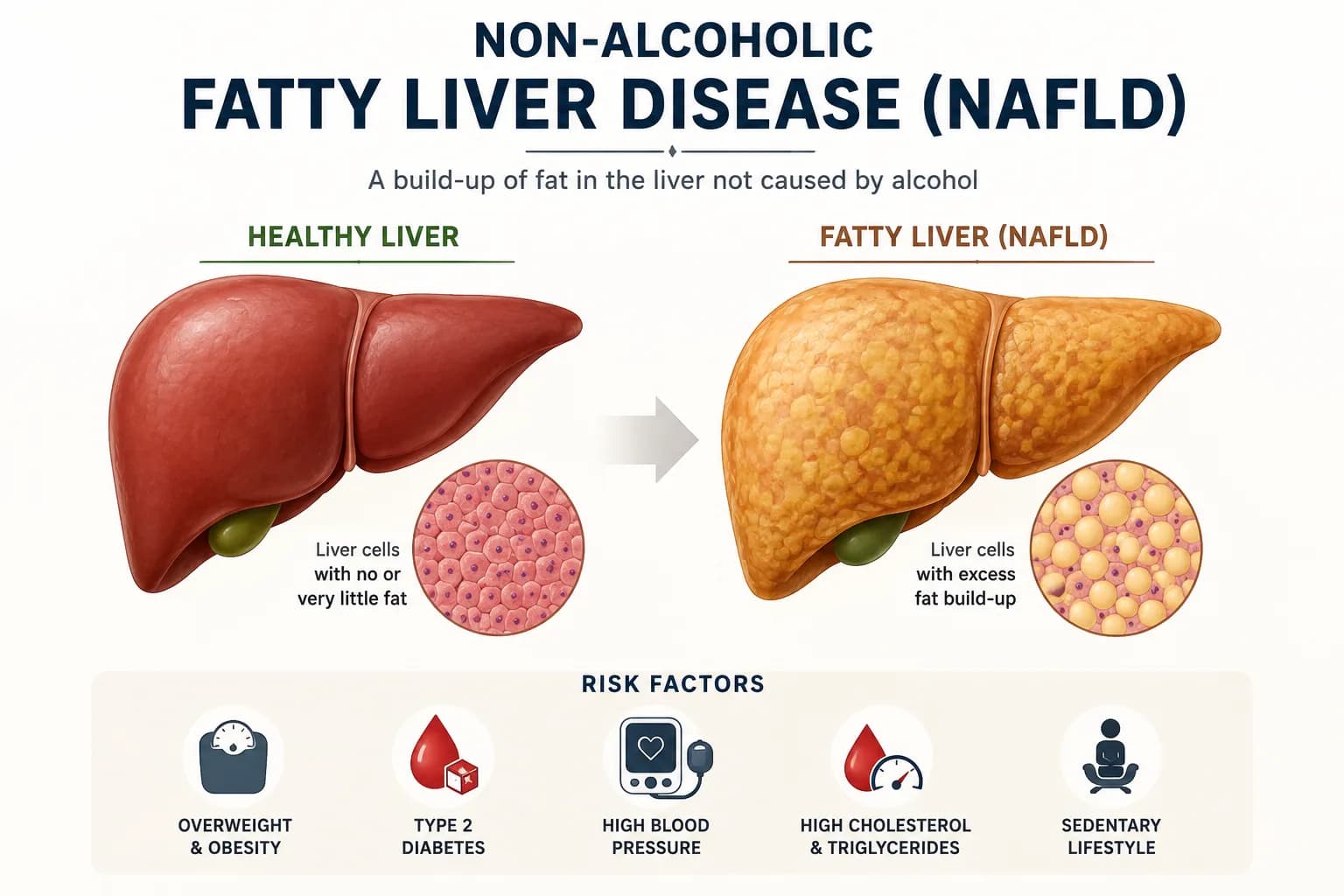
Non-Alcoholic Fatty Liver Disease: A Whole-System Problem, Not Just a Dietary One
Fatty liver isn't just about eating too much fat. NAFLD is a whole-system problem — involving glutathione, the iron-copper-vitamin A triad, sugar, gut health, hormones, insulin resistance and genetics. Here's what's really going on, and how to support your liver from every angle.
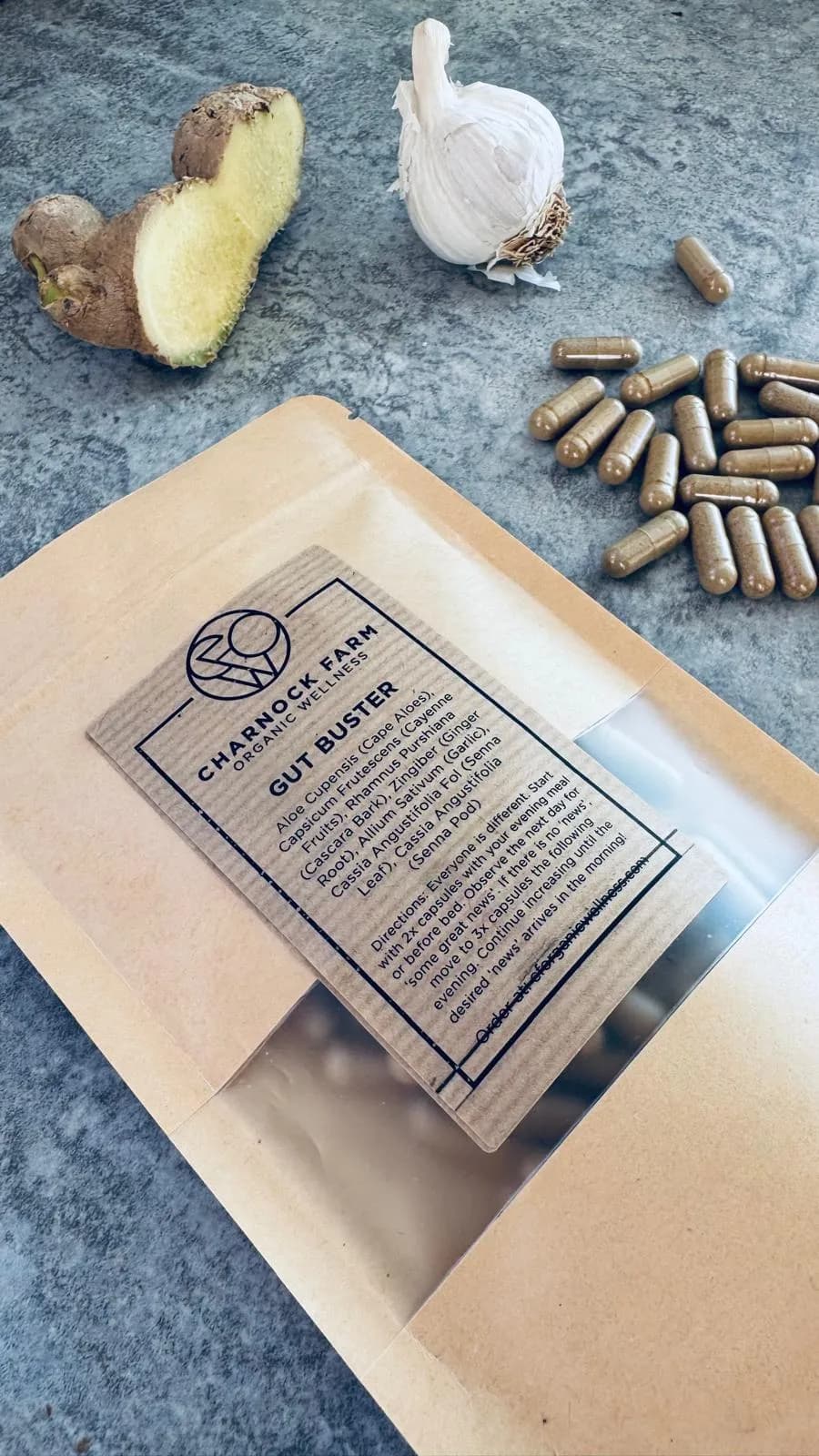
Unlock Your Body's Natural Detox Potential: The Gut Busters Revolution!
Are you caught up in the detoxification buzz but feeling overwhelmed? Let's cut through the noise and get to the heart of true wellness – your gut!

Lemon Balm: Nature's Powerful Herb for Mind, Body, and Skin
Lemon balm (Melissa officinalis) is a fragrant herb from the mint family, known for its antioxidant properties and calming effects on the body. Often used as a mild sedative and antispasmodic, lemon balm supports skin health, digestive balance, and emotional wellbeing. Whether you grow it at home or use it as a supplement, lemon balm offers a wide range of health-supporting benefits.
You might also be looking for
- Hormone BalanceCycle, thyroid, stress and energy — working out which hormones are actually driving your symptoms
- Functional TestingOrder tests through us as your practitioner, so someone reads and explains the results properly
- Children’s NutritionChildren's digestion, immunity and mental health, including ADHD and autism support
Or see all our nutrition services.
Last updated: 8 September 2026. Written by Niki Charnock, Naturopathic Nutritionist (CNM/ANP registered) and Injury Specialist. We advise on nutrition and lifestyle — we do not diagnose, and nothing here replaces care from your GP or specialist.