

Gut Health & Digestion
A gut that is not right rarely stays a digestive problem. Around 70% of your immune system sits there, around 90% of your hormones are made at the gut wall, and it decides which vitamins and minerals you actually absorb. Bloating, constipation, reflux and the IBS label all have a driver underneath them — our job is to find yours, then rebuild.
The first conversation is always free — 15 minutes, no obligation, and we will tell you honestly if we are not the right people for it.
You might recognise some of this
- Bloating that builds through the day, whatever you eat
- Not going every day — or going, but never feeling finished
- Bowels that swing between sluggish and urgent
- Reflux or indigestion you manage rather than fix
- An IBS diagnosis and not much else to go with it
- A list of foods you have cut out that keeps getting longer
- Tired, foggy or breaking out when your gut is at its worst
Why do gut problems show up everywhere else?
Because the gut wall does three jobs, and most people have only heard about the first. It is a barrier: intact, it stops bad bacteria, undigested food, heavy metals and toxins passing into the system. It decides what gets absorbed — when small perforations open up in its junctions, it does not only let the wrong things through, it becomes less selective about which vitamins and minerals it lets in. And it is where around 90% of our hormones are made.
So when the wall is not intact, the consequences turn up a long way from your digestion. Oestrogen, for example, has to be metabolised by the liver and removed via the gut, so constipation keeps it circulating no matter how good the rest of the plan is. Skin, mood and immunity all have lines running back to the gut as well.
What damages the gut wall?
The common causes are seed oils — sunflower and rapeseed in particular — certain medications, and slow-moving, sluggish stools. It would be fair to say that everyone with constipation and slow-moving stools has a leaky gut. That is a blunt thing to say, and I say it because bowel habit is the one people wave away.
Stress belongs on the list too. High stress lowers digestive enzymes and stomach acid, and the vagus nerve — the superhighway between your brain and your gut — controls gut motility and the body’s ability to rest and repair. When chronic stress, poor sleep or shallow breathing wear it down, the gut slows down with it.
Is going every day really that important?
Yes. One to two comfortable bowel movements a day is the baseline everything else sits on, and for many of my clients it is the starting point. Before we talk about detox, parasite work or hormone support, we look at the basics: are you going daily, is it comfortable, is transit time normal? If the answer to any of those is no, we work on that first.
It matters for a practical reason as well. Anything a protocol pulls out of your tissues needs a clear route out, and if the bowel is not moving it can be reabsorbed back into the bloodstream through the gut lining. The gut has to be open for business before anything else begins.
Where we start: ruling things out before rebuilding
If there is an active gut condition that needs investigating — H. pylori, parasites, significant dysbiosis, inflammatory bowel disease — that work comes before anything else. Fibre into an inflamed or infected gut is not a kindness.
H. pylori is the one I most want people to know about. Some people get bloating, nausea, upper abdominal discomfort or reflux with it; many carry it without any noticeable signs at all, and it can block the absorption of iron, B12 and zinc. Stool analysis looks at microbiome balance, digestive function, inflammatory markers and pathogens such as H. pylori and parasites, so we test where the picture warrants it rather than guessing.
What actually rebuilds a gut?
Two things are genuinely required: improve the integrity of the gut wall, and increase the diversity of the bacteria living on it. On the food side that means glutamine — bone broth, which also brings collagen and highly absorbable vitamins and minerals, and cabbage — plus polyphenols and fibre, because they are the prebiotic food the bacteria that look after the gut membrane live on.
Then digestion itself. Chewing increases digestive enzymes, and the enzymes and the stomach are the first thing that deals with bad bacteria coming in. Water, because the bowel needs it to function. Walking after meals, which stimulates the migrating motor complex that keeps things moving. And probiotics used properly — different strains support different areas of the body, so if you have been on the same one for more than three months, it is time to rotate.
Why we are careful about cutting foods out
Most people arrive having already cut out gluten, dairy or whatever the internet suggested, and if it had been the answer they would not be booking a call. Cutting something out can produce a quick improvement, which makes it seductive. What usually follows is a diet that gets narrower over the years, a microbiome that gets less diverse as a result, and a person more reactive at the end than at the start.
So where removing a food is worth doing, we do it deliberately, for a defined period, with something specific being looked for — and we plan reintroduction from the beginning. The aim is fewer foods on the list eventually, not a list that only ever grows.
What working with us looks like
- A full digestive history — bowel habit, when it started, what has been tried and what made it worse
- Stool testing where the picture warrants it, including H. pylori and parasites
- Anything that needs clearing dealt with first, before any rebuilding
- A food-first plan for the gut wall and the bacteria that live on it
- Bowel habit, digestion and stress addressed as part of the gut, not separately from it
- Probiotics chosen and rotated for you, rather than one product forever
- A three-month plan with a review built in, because a gut does not turn round in a fortnight
Not sure if this is the right starting point?
That is exactly what the free call is for. Fifteen minutes, no cost and no obligation — we will work out whether gut health & digestion is where you should start, or whether something else fits better.
Common concerns we work with here
- bloating and distension
- constipation and sluggish bowels
- loose or unpredictable bowels
- IBS-type symptoms
- reflux and indigestion
- leaky gut
- H. pylori
- microbiome imbalance
Gut Health & Digestion — your questions
I have been told I have IBS. Can you help?
Often, yes. The label describes what your gut is doing; what we want to know is why. That means your bowel habit, what happens when you are stressed, what has changed since it started, and — where the picture warrants it — a stool test that looks at your microbiome, digestive function and pathogens such as H. pylori and parasites.
Should I just cut out gluten and dairy?
Most people have already tried it by the time they get to me. Cutting something out is worth doing deliberately, for a defined period, with something specific being looked for — done indefinitely and by guesswork, it narrows the diet without answering the question.
I already take a probiotic. Is that not enough?
It is half a job. Probiotics are the live strains; polyphenols and fibre are the prebiotic food those strains live on, and putting strains in without feeding them is only half of it. If you have been on the same product for longer than three months, change it — different strains support different areas of the body.
Do I need a stool test?
Not always. Where there are signs that something needs clearing first — or you have been working on your gut for a while without it moving — it is often the most informative test available. We will tell you honestly whether it is worth it in your case.
How long does it take?
Give it a fair three months. Bowel habit improves over time rather than overnight, and I would be wary of anyone putting a firm number on it.
Should I see my GP first?
If your symptoms are new, persistent or getting worse, yes — that belongs in front of your GP before it belongs in front of me, and nothing here is a reason to delay that appointment. We work alongside your GP, not instead of them.
Further reading

Leaky Gut: Immunity Starts in the Gut Wall
Around 70% of your immune system sits in the gut, and the gut wall is what does the work. What leaky gut is, what damages it — seed oils, medications, constipation — and the foods, probiotics and vitamin D testing that rebuild it.
H. Pylori: The Silent Stomach Invader
H. Pylori is a bacterium that takes up residence in your stomach lining, often without raising any immediate red flags. This microscopic intruder can quietly inhabit your digestive system for years, potentially causing significant health complications that may go unnoticed.
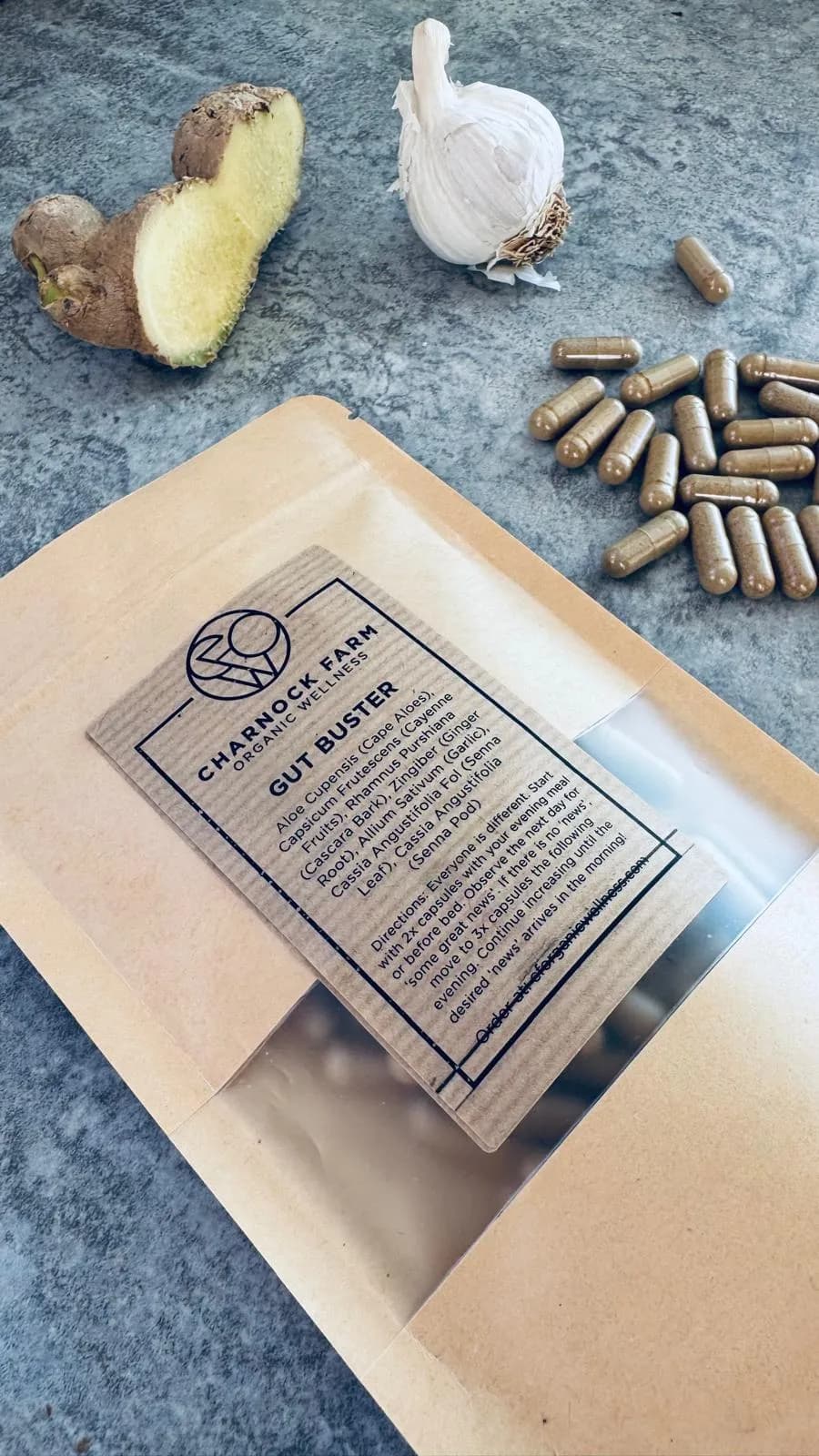
Unlock Your Body's Natural Detox Potential: The Gut Busters Revolution!
Are you caught up in the detoxification buzz but feeling overwhelmed? Let's cut through the noise and get to the heart of true wellness – your gut!
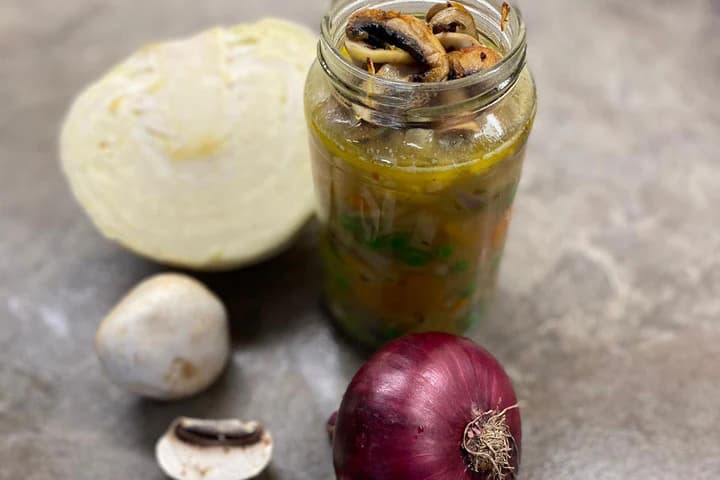
Whats All The Beef About Bone Broth?
It's always nice to use the goodness from the whole bird, fish or 4 legged animal.
You might also be looking for
- Functional TestingOrder tests through us as your practitioner, so someone reads and explains the results properly
- Skin HealthPsoriasis, eczema, acne and rosacea — looking past the cream to what is driving the flare
- Recurrent Infections & ImmunitySinus, chest, throat, UTI or thrush that keeps coming back — working on the ground between infections
Or see all our nutrition services.
Last updated: 23 September 2026. Written by Niki Charnock, Naturopathic Nutritionist (CNM/ANP registered) and Injury Specialist. We advise on nutrition and lifestyle — we do not diagnose, and nothing here replaces care from your GP or specialist.