

Pathway 01 — Advanced Lymphatic Therapy
Post-Operative Lymphatic Drainage
Lymphatic drainage after surgery reduces post-operative swelling, supports the return of functional movement, and lowers the risk of complications such as cellulitis and fibrosis. Sessions typically begin 5–7 days after your operation, once the surgical site is stable, and always in consultation with your surgical team.
What every patient should know before — and after — their operation
Post-operative lymphatic drainage is no longer a nice-to-have. It is fast becoming a clinical standard of care — and with good reason. Surgery, however routine, creates trauma to the surrounding tissue. That trauma triggers an inflammatory cascade. The lymphatic system, responsible for clearing that excess fluid and metabolic debris, is often overwhelmed at exactly the time the patient is least able to move.
Why does sedentary recovery make lymphatic drainage more urgent?
When we are forced to rest following surgery, the lymphatic system — which depends entirely on movement and muscle contraction to propel fluid — slows dramatically. This is not merely uncomfortable. A sluggish lymphatic system during recovery means slower fluid clearance, more persistent swelling, a heavier inflammatory burden, impaired immune response, and an increased risk of post-operative complications including cellulitis.
The result is often that patients feel heavier, more fatigued, more demotivated, and less equipped to do the rehabilitation work that determines their long-term outcome. Pro Balancer therapy directly addresses this by doing what the body cannot do for itself during forced rest.
The clinical protocol: when to start and how often
Based on published post-operative lymphatic drainage guidelines, the following framework applies — always in consultation with your surgical team:
Earliest point to begin, once the surgical site is stable. Gentle, broad lymphatic stimulation begins to move post-surgical fluid away from the area.
Weeks 1–4 post-surgery. The most critical window. Regular sessions at this frequency significantly reduce swelling, lower risk of fibrosis, and accelerate the return of functional range of motion.
Weeks 4–8 and beyond. Maintenance and consolidation. As healing progresses, weekly sessions sustain lymphatic flow, support scar tissue management (from week 6 when skin is fully closed), and continue to support the immune response.
† Always follow your surgeon’s specific post-operative guidance. Scar tissue work begins only once the wound is fully closed and shows no signs of infection, typically 6–8 weeks post-surgery.
Procedures we most often support
Knee & Hip Replacement
Joint replacement surgery disrupts the lymphatic network around the operative site, creating significant post-surgical oedema that directly limits the range of movement needed for effective physiotherapy. Lymphatic drainage has been shown to reduce this swelling from the first session, improving comfort, accelerating the return of mobility, and allowing patients to engage more productively with their rehabilitation programme.
“From the first session, the swelling visibly reduced and moving became easier. By the end of the programme, my recovery was ahead of everything the surgical team had predicted. — Total Knee Replacement Patient”
Endometriosis & Abdominal Surgery
Abdominal surgery — whether for endometriosis, gynaecological conditions, or digestive pathology — creates significant disruption to the lymphatic vessels of the pelvis and abdomen. Post-surgical adhesions, bloating, and persistent oedema are common. Targeted lymphatic drainage not only accelerates fluid clearance but helps prevent the formation of fibrotic adhesion tissue that can be the source of long-term discomfort and complication.
“The bloating and heaviness after my laparoscopy was debilitating. After three sessions, I felt like myself again — lighter, less inflamed, and finally able to move without pain. — Endometriosis Patient”
Postpartum Recovery
Whether following vaginal birth or caesarean section, the postpartum body carries an extraordinary fluid load alongside the demands of sleep deprivation, hormonal fluctuation, and the physical toll of feeding and caring for a newborn. Lymphatic drainage helps the body clear retained fluid rapidly, supports the healing of abdominal and perineal tissue, and — at a time when motivation and energy are already stretched thin — provides a profound sense of physical relief and restoration that supports emotional wellbeing too.
“Within one session I could see the difference in my abdomen and I felt so much lighter. I only wish I’d known about this sooner. — Postpartum Client”
Liposuction & Cosmetic Surgery
Liposuction and cosmetic procedures carry a particularly high lymphatic demand: the disruption to subcutaneous lymphatic vessels means fluid redistribution is significant and, without active intervention, fibrotic nodules and uneven skin texture are common. Post-operative lymphatic drainage is widely recommended by plastic surgeons as an essential component of the recovery protocol — reducing contour irregularities, minimising bruising, preventing fibrosis, and dramatically shortening recovery timelines.
“My plastic surgeon told me the quality of my result would depend on my post-op care. This treatment made the difference between a good outcome and an exceptional one. — Liposuction Patient”
Book your post-operative recovery session
Sessions run in Manchester, near Preston, near Southport and once a month in Alderley Edge — you choose the site when you book. If you would rather talk it through first, the free 15-minute discovery call is the place to start.
Post-Operative Recovery — your questions
How soon after surgery can I start lymphatic drainage?
The earliest typical starting point is 5–7 days after your operation, once the surgical site is stable. This varies by procedure and by patient, so we ask you to confirm the timing with your surgeon or surgical team before your first session. We are happy to work alongside their guidance.
How many sessions will I need after surgery?
Most post-operative protocols run 2–3 sessions per week for the first four weeks — the window where drainage makes the most difference — then reduce to weekly for weeks 4–8. The blocks of 5 and 10 sessions exist for exactly this pattern and work out at £40 and £35 per session respectively.
Will lymphatic drainage help with post-surgical scarring?
Scar tissue work is part of the later phase of the protocol, and only begins once the wound is fully closed and shows no signs of infection — typically 6–8 weeks after surgery. Before that point, sessions focus on fluid clearance and swelling rather than the scar itself.
Is it safe to have lymphatic drainage after cosmetic surgery?
Post-operative lymphatic drainage is widely recommended by plastic surgeons as part of the recovery protocol following liposuction and similar procedures. As with any post-surgical treatment, we work in conjunction with — and with the approval of — your surgical team.
Who should not have post-operative lymphatic drainage?
Common contraindications include active infection at or near the surgical site, deep vein thrombosis (DVT), severe heart conditions, and certain skin conditions. We review your individual circumstances before your first session, and we will decline to treat if it is not appropriate.
Further reading

Anti Inflammatory Digestive Elixir
Our infamous digestive elixir recipe that features in our gut and liver cleanses!
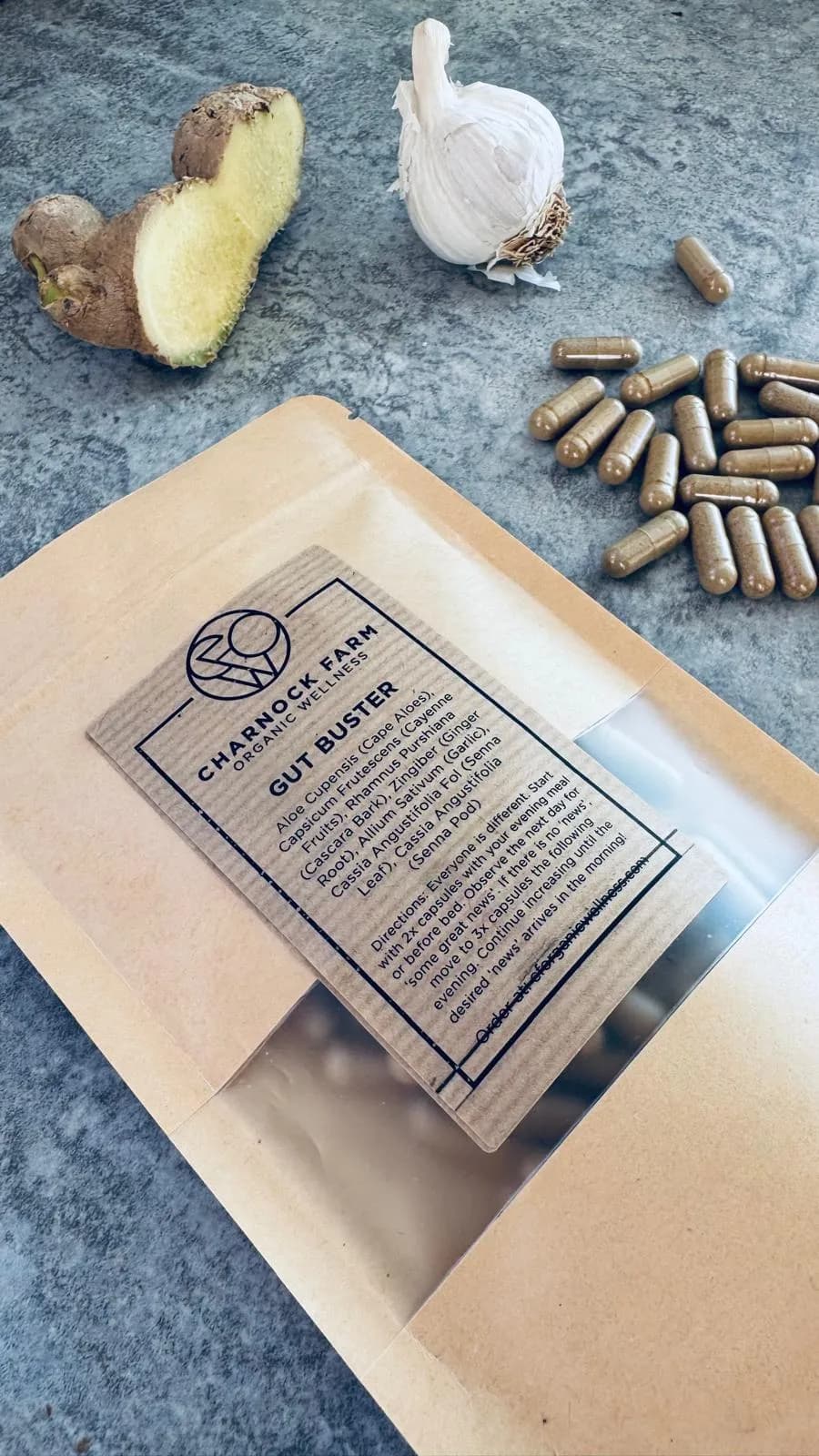
Unlock Your Body's Natural Detox Potential: The Gut Busters Revolution!
Are you caught up in the detoxification buzz but feeling overwhelmed? Let's cut through the noise and get to the heart of true wellness – your gut!
Other pathways
- Injury Prevention & Athletic RecoveryRelease myofascial restrictions, rebalance overused and underused muscle groups, reduce DOMS after hard training, and correct the loading patterns that cause injury before it happens.
- Cellulite & Skin HealthImprove skin texture, reduce the appearance of cellulite, and enhance lymphatic flow through superficial tissue using targeted drainage and myofascial release techniques.
Or see all five Body Ballancer pathways.
The Pro Balancer Lymphatic System is a medical-grade therapeutic device. All treatments are delivered under the clinical oversight of Niki Charnock, Naturopathic Nutritionist — trained at the College of Naturopathic Medicine (London), a member of the Association of Naturopathic Practitioners (ANP), with 25+ years of clinical experience in elite sports rehabilitation. Post-operative treatments are offered in conjunction with, and with the approval of, your surgical team. Individual results may vary. This page is for informational purposes and does not constitute medical advice. Always consult your healthcare provider before commencing any new therapeutic protocol following surgery or medical treatment. Read Niki's full background and qualifications.
Last updated: 8 September 2026.