

Reflexology Massage
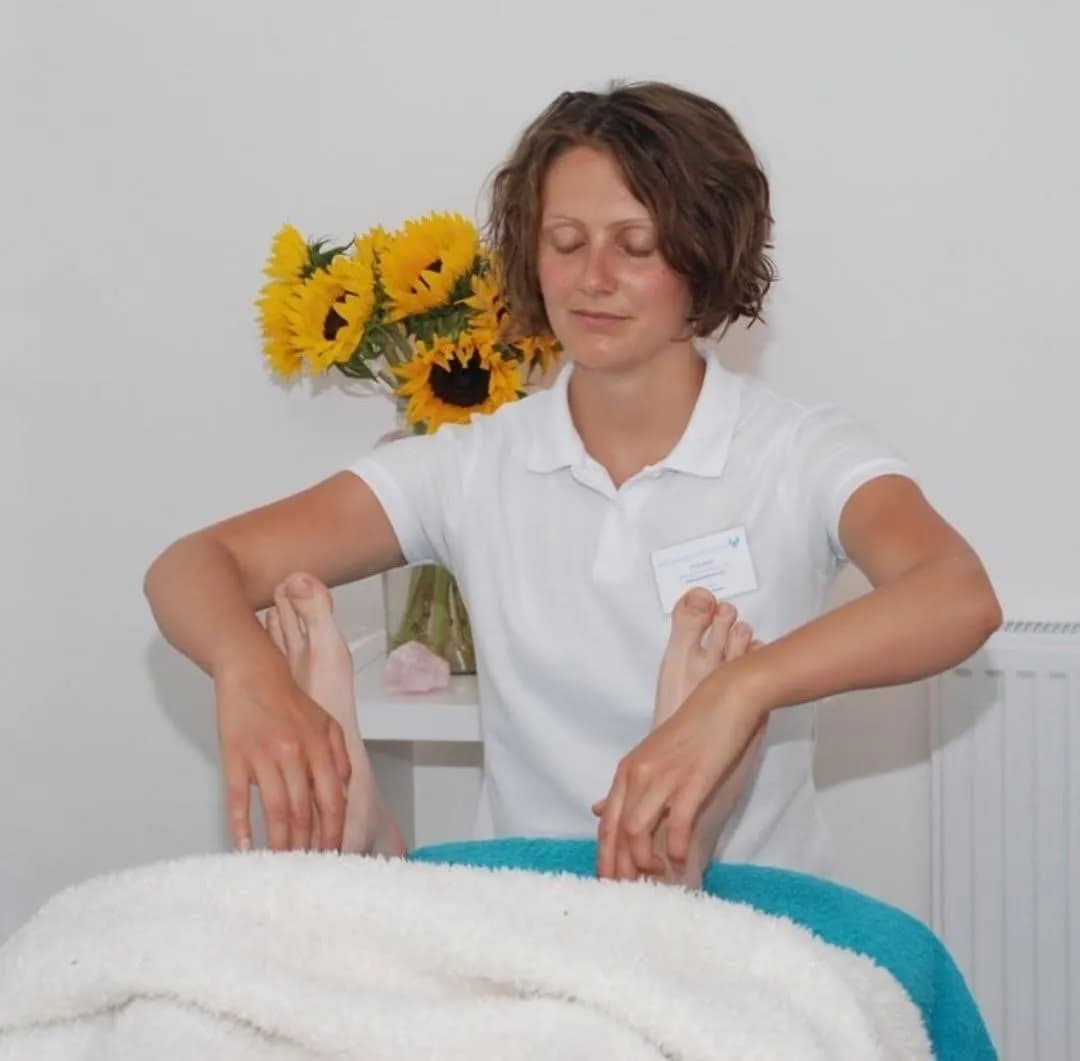
Reflexology is a holistic therapy that applies pressure to specific points on the feet, which the tradition maps to the body's organs and systems. It is used to release tension, reduce stress and support circulation, and it is one of the most deeply relaxing treatments on the list.
Signs this is the treatment you want
- Stress that has not shifted with rest
- Poor circulation
- Tension you carry generally rather than in one muscle
- A sense of being out of balance rather than injured
- Low energy without an obvious cause
- You want a treatment that is genuinely restful, not just effective
How does working the feet affect the rest of the body?
Reflexology maps reflex points on the feet to different organs and systems, and works those points to encourage a response elsewhere. That map comes from ancient healing traditions rather than from modern anatomy, and it is the framework the treatment is built on.
What the treatment reliably does is more immediate: it releases tension, reduces stress and enhances circulation, and it is deeply relaxing in a way most people notice for days rather than hours.
What does a session feel like?
Sustained, specific pressure applied to points across the feet — firmer than a foot rub, and quite different from it in intent. Some points feel more sensitive than others, which is part of the information the therapist works from.
Most people describe the effect afterwards as refreshed, re-energised and deeply restored, and it is common to feel the relaxation more strongly the following day.
Where does it fit alongside the rest of what we do?
Reflexology is a whole-system treatment rather than a targeted one, which makes it a natural companion to the naturopathic side of the practice — both work on the principle that restoring balance across the system beats treating one symptom in isolation.
If what you are dealing with is stress, low energy or a general sense of imbalance rather than a specific injury, this is usually a better starting point than a remedial massage.
What the session involves
- Sustained pressure applied to specific reflex points across the feet
- A holistic treatment aimed at balance across the body's systems
- Work directed at releasing tension, reducing stress and enhancing circulation
- A deeply relaxing session rooted in traditional practice
Not sure this is the right treatment?
Tell us what is going on and we will point you at the right one — including telling you honestly if reflexology massage is not it.
Common concerns we work with here
- stress
- poor circulation
- tension
- imbalance
- organ-related discomfort
- systemic imbalance
- need for natural healing
- lack of energy
- need for relaxation
- harmony restoration
Reflexology Massage — your questions
What does reflexology help with?
Stress, poor circulation, tension, a general sense of imbalance, low energy and the need for genuine relaxation. It works holistically rather than treating one area, and is used to encourage the body's own healing.
Is reflexology just a foot massage?
No. A foot massage works the foot for its own sake. Reflexology applies specific, sustained pressure to mapped reflex points with the intention of affecting the wider system, and the technique and intent are different throughout.
Do I have to accept the theory for it to be worth having?
Not at all. The reflex map comes from ancient healing traditions, and you are welcome to take it or leave it. The tension release, the stress reduction and the circulation benefit are what most people come back for.
Further reading
Tips for dealing with anxiety
Never before have we had to face such uncertainty and make such drastic changes to our everyday lives

What Is Naturopathy? A Beginner's Honest Guide
Naturopathy is one of those terms that gets thrown around a lot, but rarely explained well. If you've been curious about what it actually involves — and whether it might be right for you — this guide is a great place to start.
You might also be looking for
- Indian Head MassageIndian Head Massage is a deeply soothing and invigorating treatment that focuses on the head, neck, and shoulders
- Shiatsu Massage (sheet and floor)Experience the deeply restorative benefits of Shiatsu Massage
- Pregnancy MassagePregnancy Massage is a nurturing and supportive treatment designed to relieve the unique physical and emotional stresses of pregnancy.
Or see all our treatments.
Last updated: 8 September 2026. Written by Niki Charnock, Naturopathic Nutritionist (CNM/ANP registered) and Injury Specialist. We advise on nutrition and lifestyle — we do not diagnose, and nothing here replaces care from your GP or specialist.